Tag Archive: family travel


What? Bones in a church??

What? Bones in a church??

Last September we visited the “Bone Church” in Kutna Hora with my friend, Elsa.  It was such a strange, creepy place!
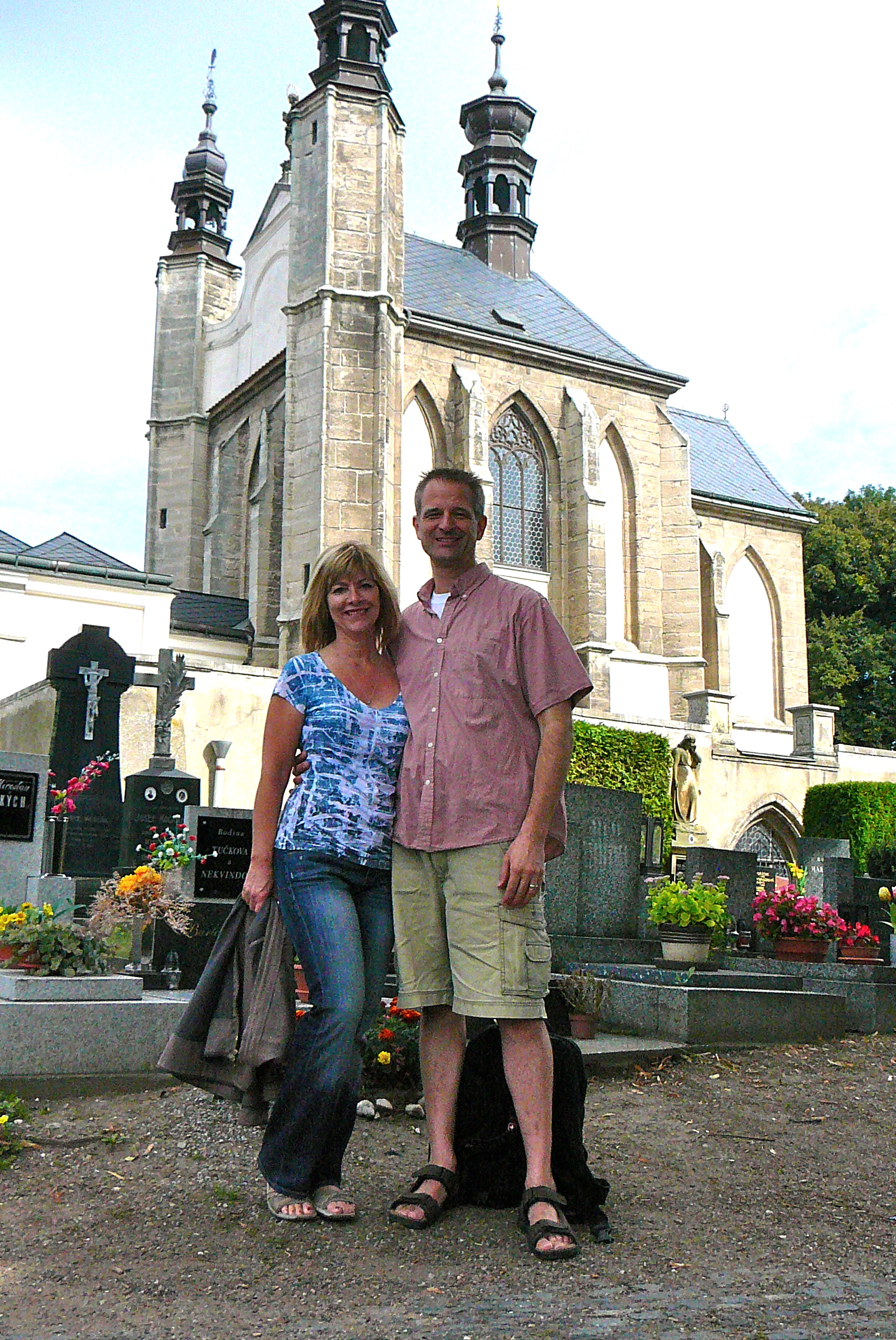
Ahhh, another quaint European church...not!!

Ahhh, another quaint European church…not!!

Looks can be deceiving. It looks picturesque and peaceful from the outside.  But on the inside it is no ordinary church.

The graveyard on the church grounds.

The graveyard on the church grounds.

It looks as if the Adams Family decorated the church! All of the decorations inside the church are made from human bones. Seriously??  Seriously!!

The next logical question is: Where did the bones come from?

P1100385

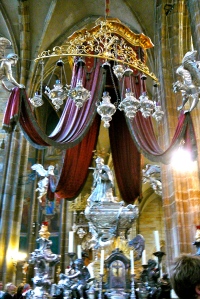
The chandelier contains every bone in the human body!

The bones come from the victims of plague in the 14th century, and from victims of the Hussite wars in the 15th century. Thousands were killed in these events; apparently they were buried in mass graves on the church property.
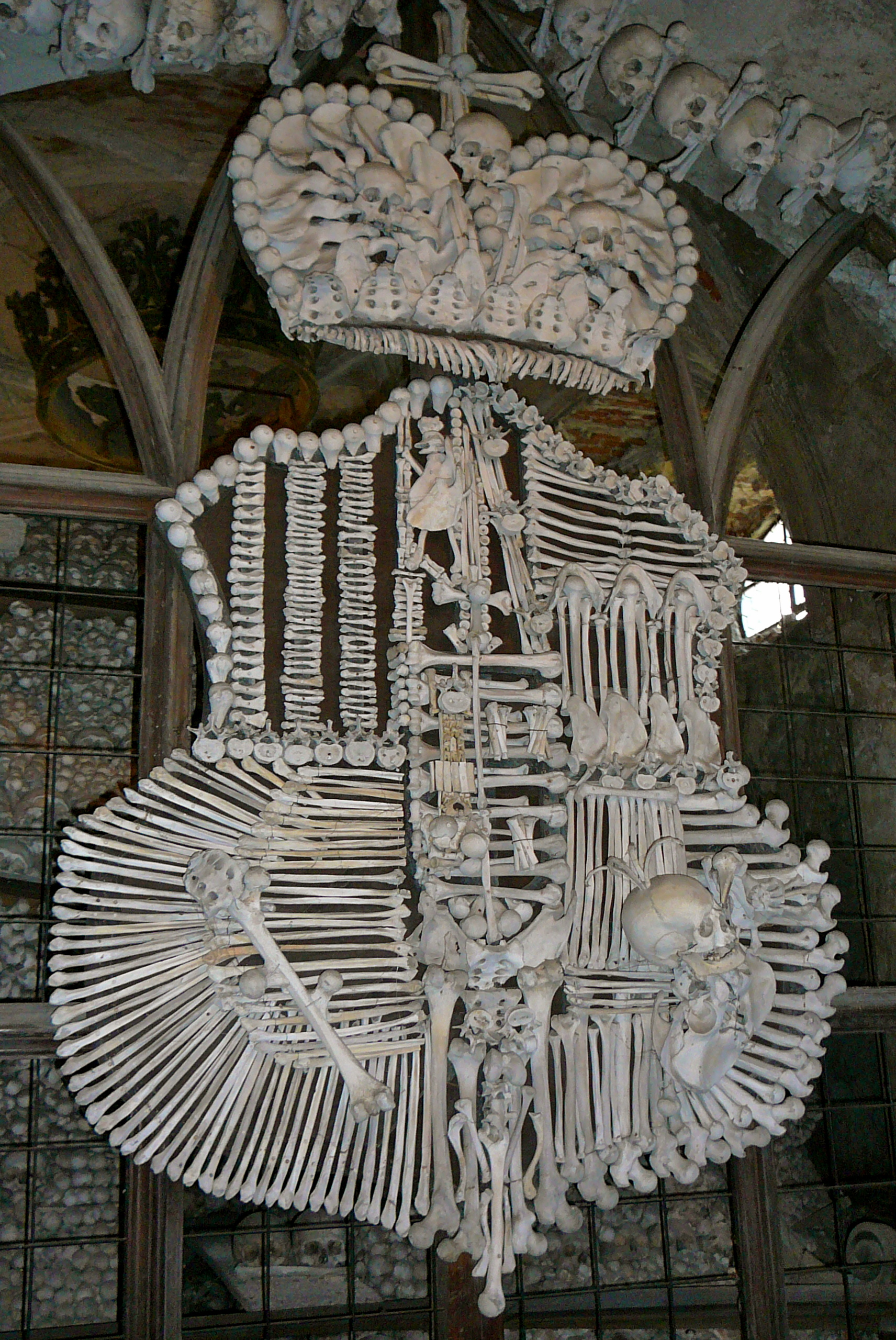
This is the coat of arms of the Swarzenburger family.

This is the coat of arms of the Schwarzenburg family, who used to own the church.

P1100398

Close up of the coat of arms above: worthy of Pirates of the Caribbean!

Why so many bones in one place, you ask??

The legend goes that the abbot of Sedlec monastery, known as Jindrich, brought back a handful of soil from his travels to Palestine, and sprinkled it on the cemetery. This made it a popular burial site for the nobility of Central Europe.

Creepy!

Creepy!

The number of burials outgrew the available space during the Thirty Years’ War in the 17th century. So they began to dig up the older remains and stored the bones in the chapel.

The decorations came from the bones of 40,000 people.

It is estimated that the chapel contains the bones of 40,000 people!

There’s an urban legend  that a monk went crazy and made things from the bones. Another legend is that the bones were first piled in geometric shapes by partially blind monks who were taking care of the chapel. Sounds like an answer my nephew Aaron would make up while playing the game Balderdash (a game where you make up crazy answers to questions and try to get the other players to believe you)!!
P1100419

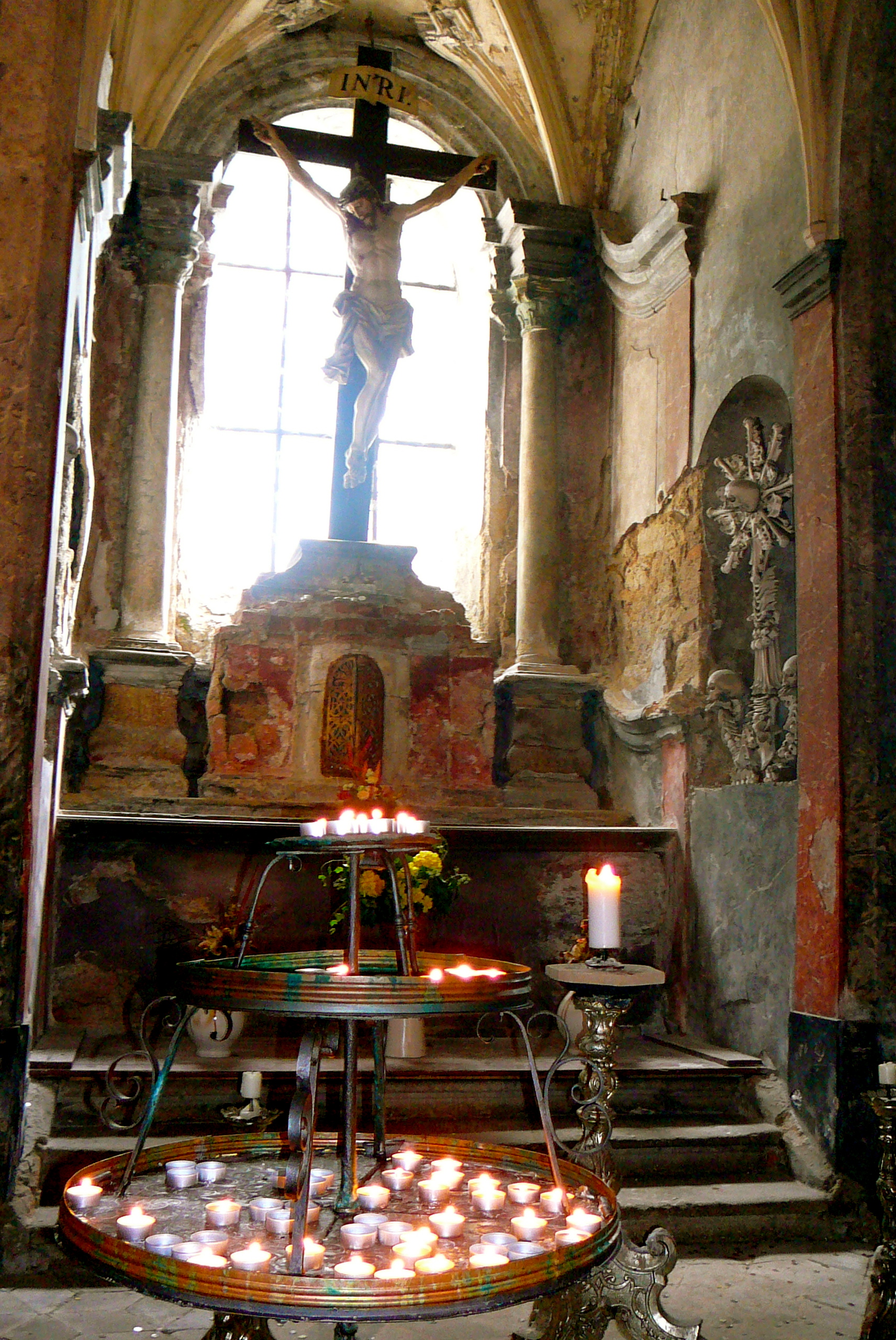
The Schwarzenberg family bought the monastery in 1870, and they commissioned a local carver, František Rint,  to  get creative with the bones…as “a reminder of the importance of human life and inescapable death.”

Am I really posing next to a chandelier of human bones? Odd!!

Smile for the camera while we pose next to a chalice made of bones surrounded by skulls: STRANGE!!

You can find out how to get to Kutna Hora from Prague here:

http://www.frommers.com/destinations/prague/0063020751.html

A big thank you to my friend Elsa, for these photos. My camera battery had died on the way.

After you leave the church, shake off the creepy feeling, and walk on to the picturesque town of Kutna Hora, a UNESCO World Heritage site. I’ll write another post to show the “lovely side” of Kutna Hora!

While doing research for this post, I found this awesome quote by Greg, writer of  Outside Prague, a great website about the lesser known towns and cities of the Czech Republic.

http://www.outsideprague.com/kutna_hora/kutna_hora_daytrip.html

Greg writes:

“Visitors to the bone church often describe it as macabre, eerie or creepy and I once asked the lady at the desk if she ever felt bothered to be working there. She flipped her hand in a dismissive way and said “Pfft! They’re only bones, they won’t hurt you; it’s the living who scare me”.

Good point.”

The most spectacular country you have never heard of!

The most spectacular country you have never heard of!

My friend Heidi told me that Lake Bled, Slovenia was one of her favorite places in Europe. Slovenia is the northern tip of the old Yugoslavia, and borders Italy, Austria, Hungary, and Croatia. See the map here:

http://search.yahoo.com/search?ei=utf-8&fr=aaplw&p=slovenia+map+images

So we decided to go there last October, during our one week midterm break.  It is now one of my top three favorite countries in Europe!  It is a hidden gem. We rented a car and drove there from Prague, through the Austrian Alps during the peak fall season–wow!!

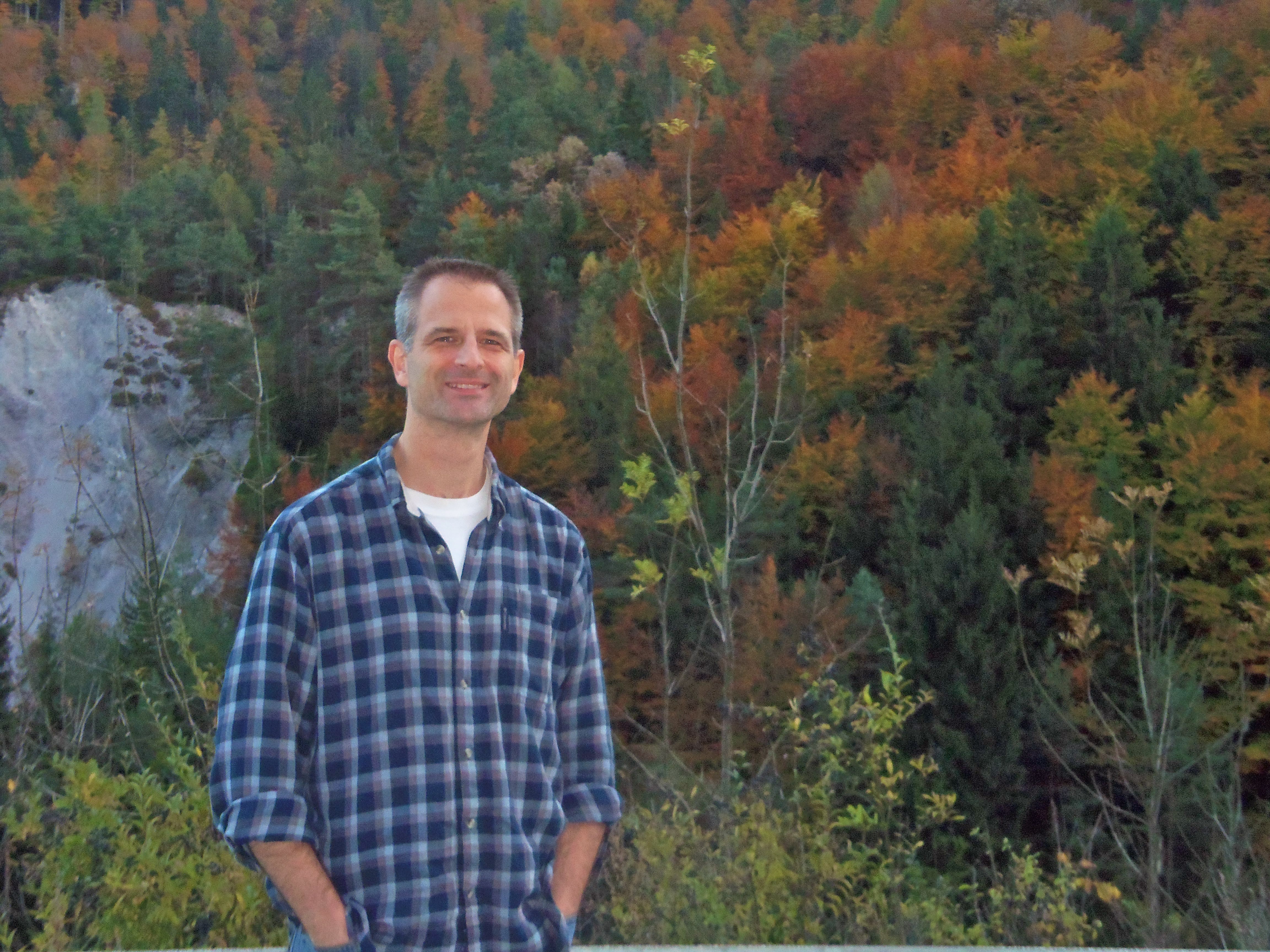
101_4216

It was an eight hour drive through gorgeous landscapes!

Ljubljana

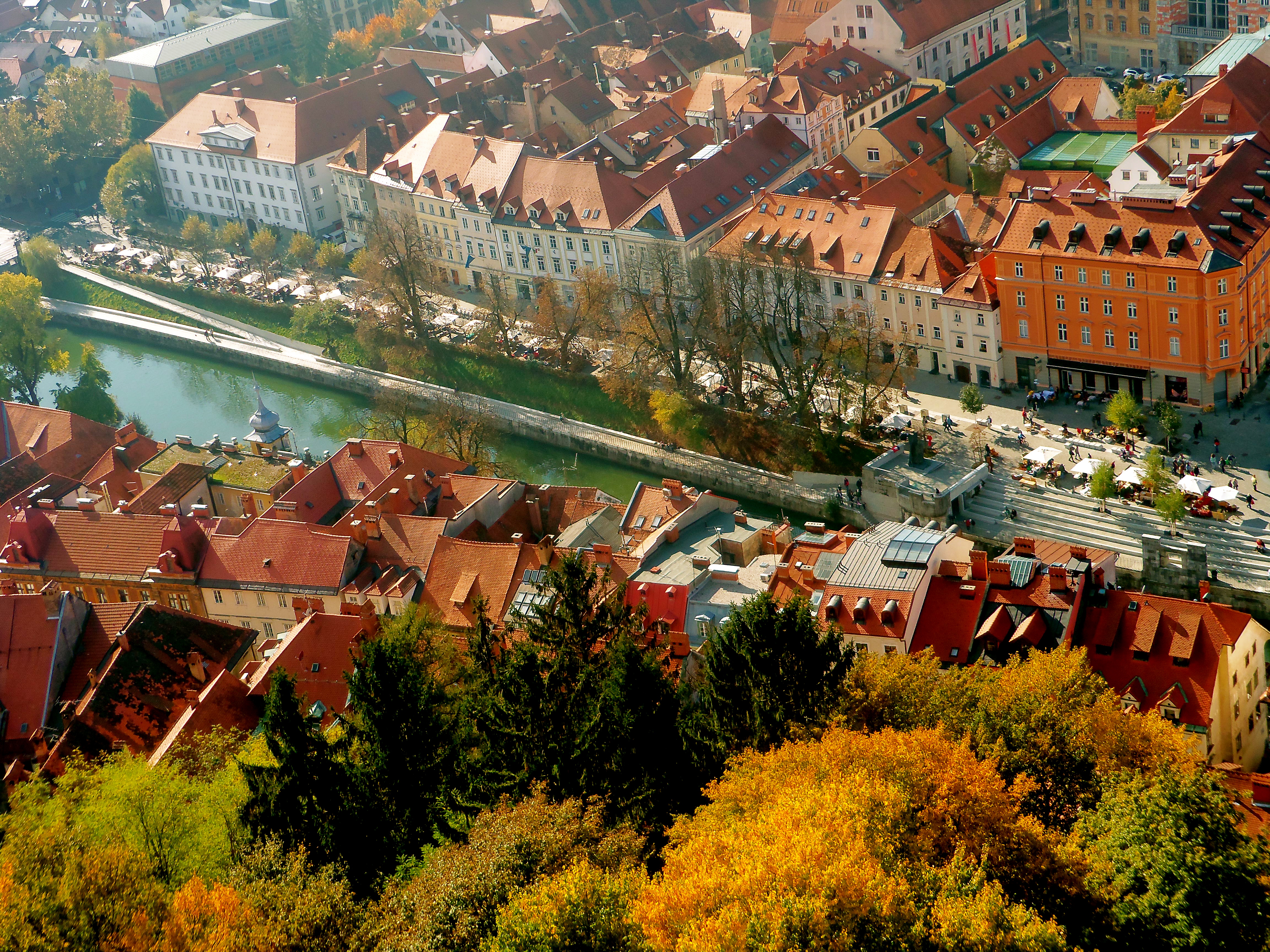
We stayed a week in Ljubljana, the capital. Ljubljana is so picturesque!

The view from the castle!

The view from the castle!

In the Old Town area.

In the Old Town area.

Check out the blue October sky!

Check out the blue October sky!

It was heavenly to enjoy a meal at an outdoor cafe along the river in the third week of October!

It was heavenly to enjoy a meal at an outdoor cafe along the river in the third week of October!

Food is always better when eaten outside!

Food is always better when eaten outside!

Each day we did a day trip to the following places: Piran, Lake Bled, the Julian Alps, the Postojna Cave, and Predjama Castle.  Each day our mouths dropped at the incredible beauty of this tiny country, slightly smaller than New Jersey.  Let the photos speak for themselves!

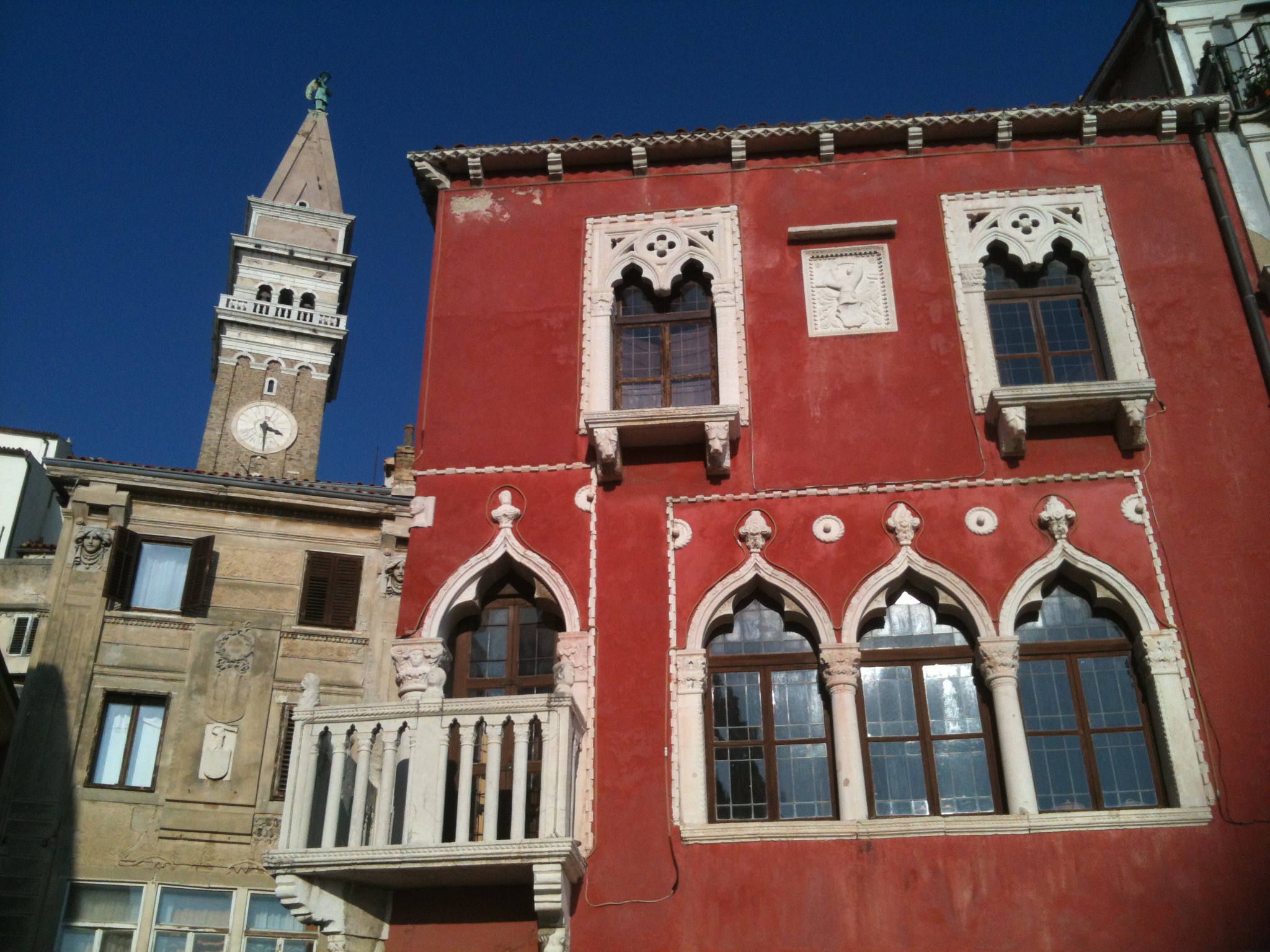
Piran is a beatiful town on the coast of the northern Adriatic which has been compared to the famous southern  Adriatic jewel Dubrovnik.

Breathtaking!

Breathtaking!

Ok, maybe not warm enough for swimming:)

Ok, maybe not warm enough for swimming:)

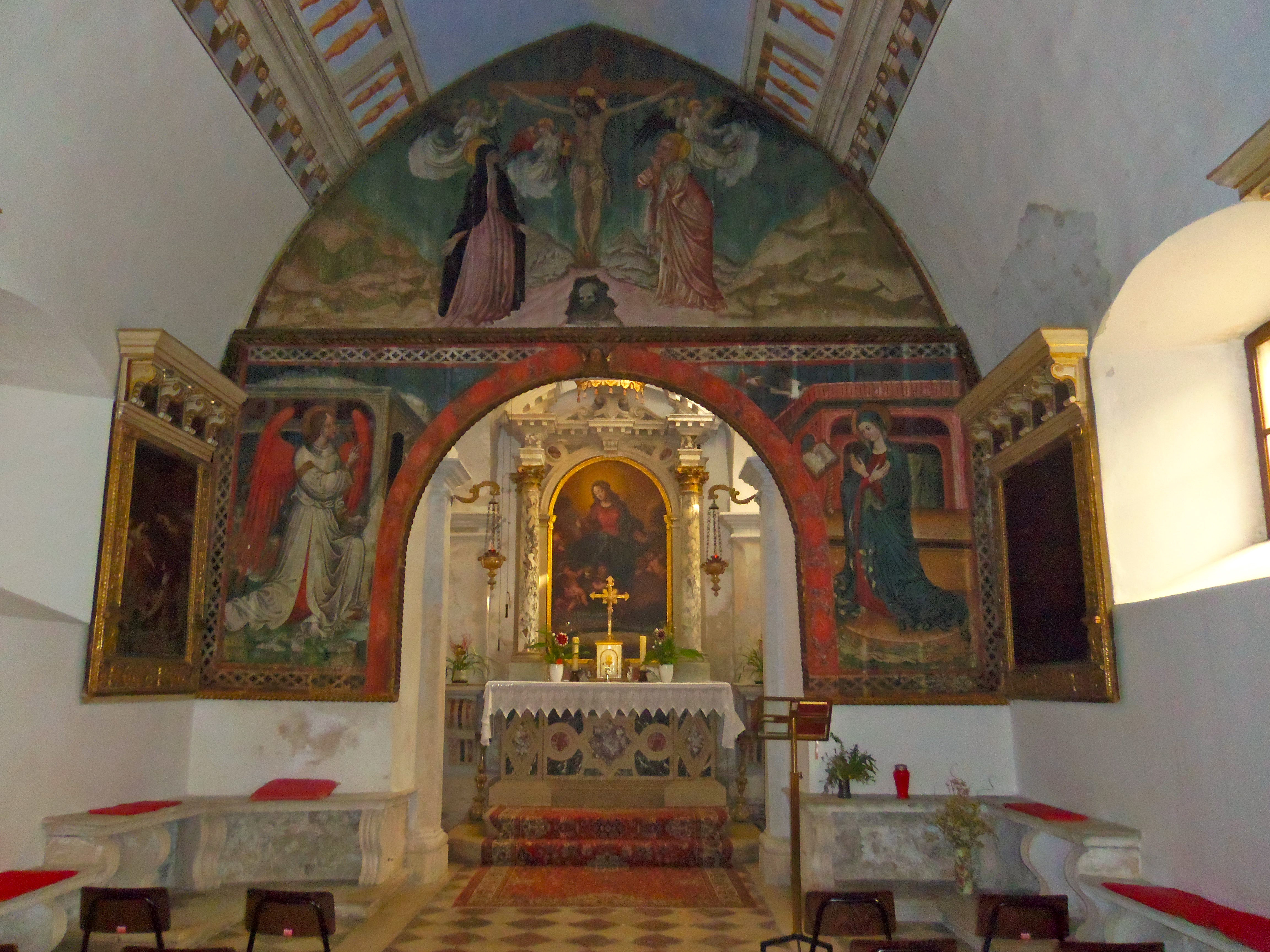
We stumbled upon this little church.

We stumbled upon this little church.

We wandered through the winding streets.

We wandered through the winding streets.

The architecture is similar to what you find in Venice.

The architecture is similar to what you find in Venice.

Boats everywhere!

Boats everywhere!

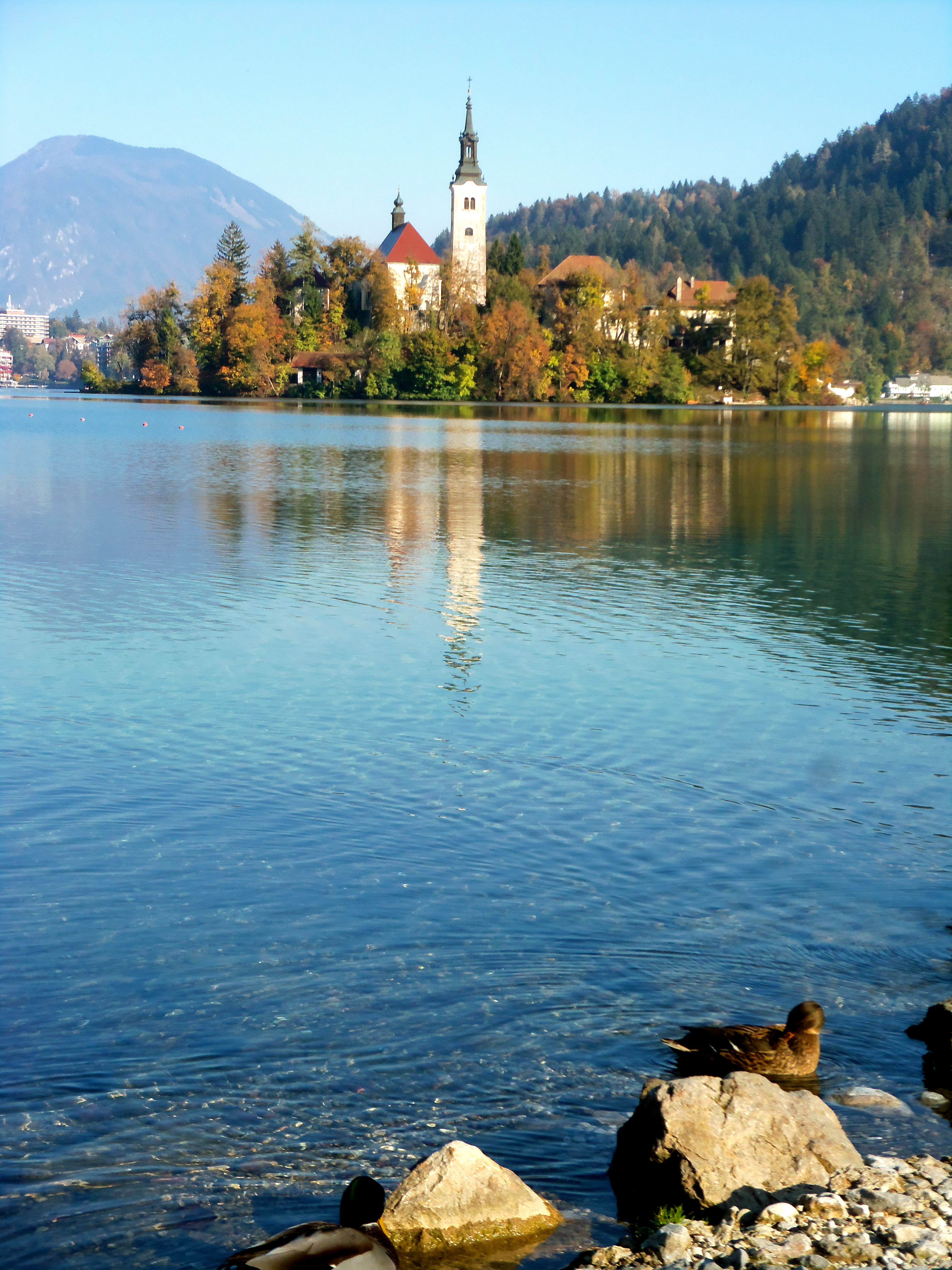
Lake Bled’s stunning landscape in the Julian Alps is breath-taking. A translucent lake,  a wooded island with a baroque church at the top; a cliff-top castle overlooking the lake, all with the dramatic Julian Alps as a backdrop.

View from the castle walls.

View from the castle walls.

We splurged and had lunch here...can you blame us??!!

We splurged and had lunch here…can you blame us??!!

The island in the lake with a baroque church.

The island in the lake with a baroque church.

So hard to choose just five photos of this place!

So hard to choose just five photos of this place!

The views were epic!

The views were epic!

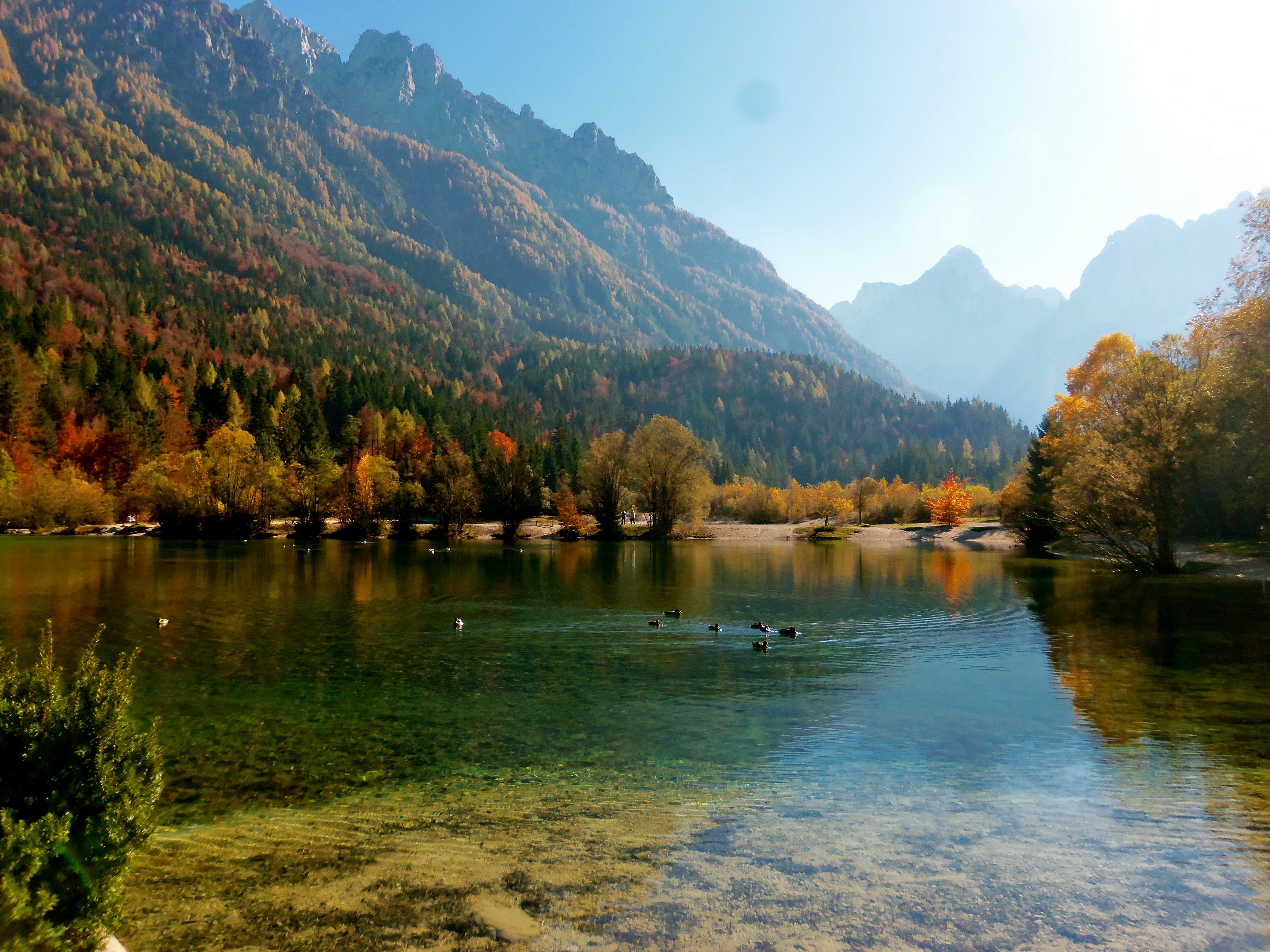
The Julian Alps are tucked between Italy and Austria. We drove through the stunning mountain scenery at the peak of the fall colors. We stopped at a deserted, pristine Alpine lake.

101_4606

We even had it to ourselves!

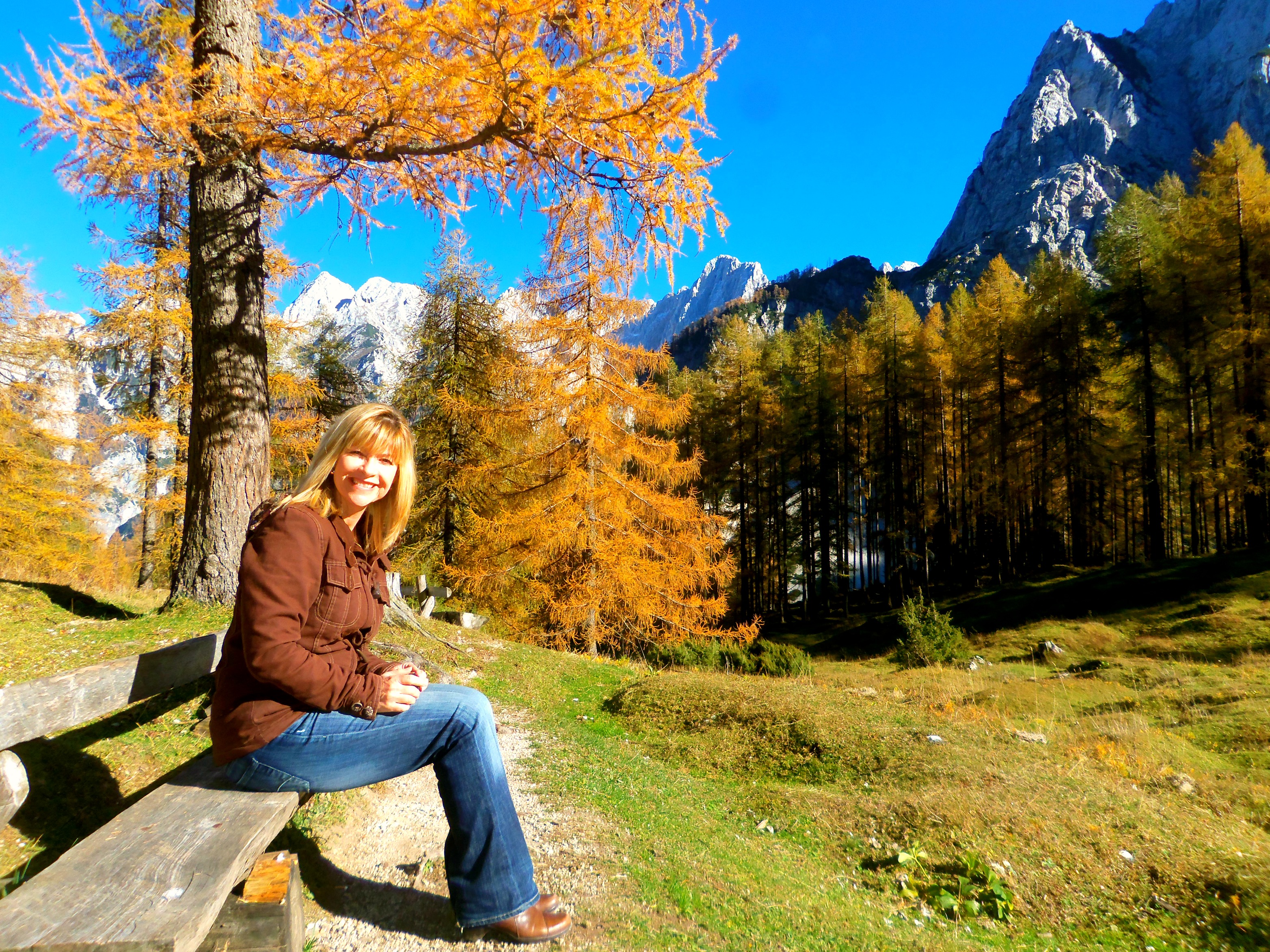
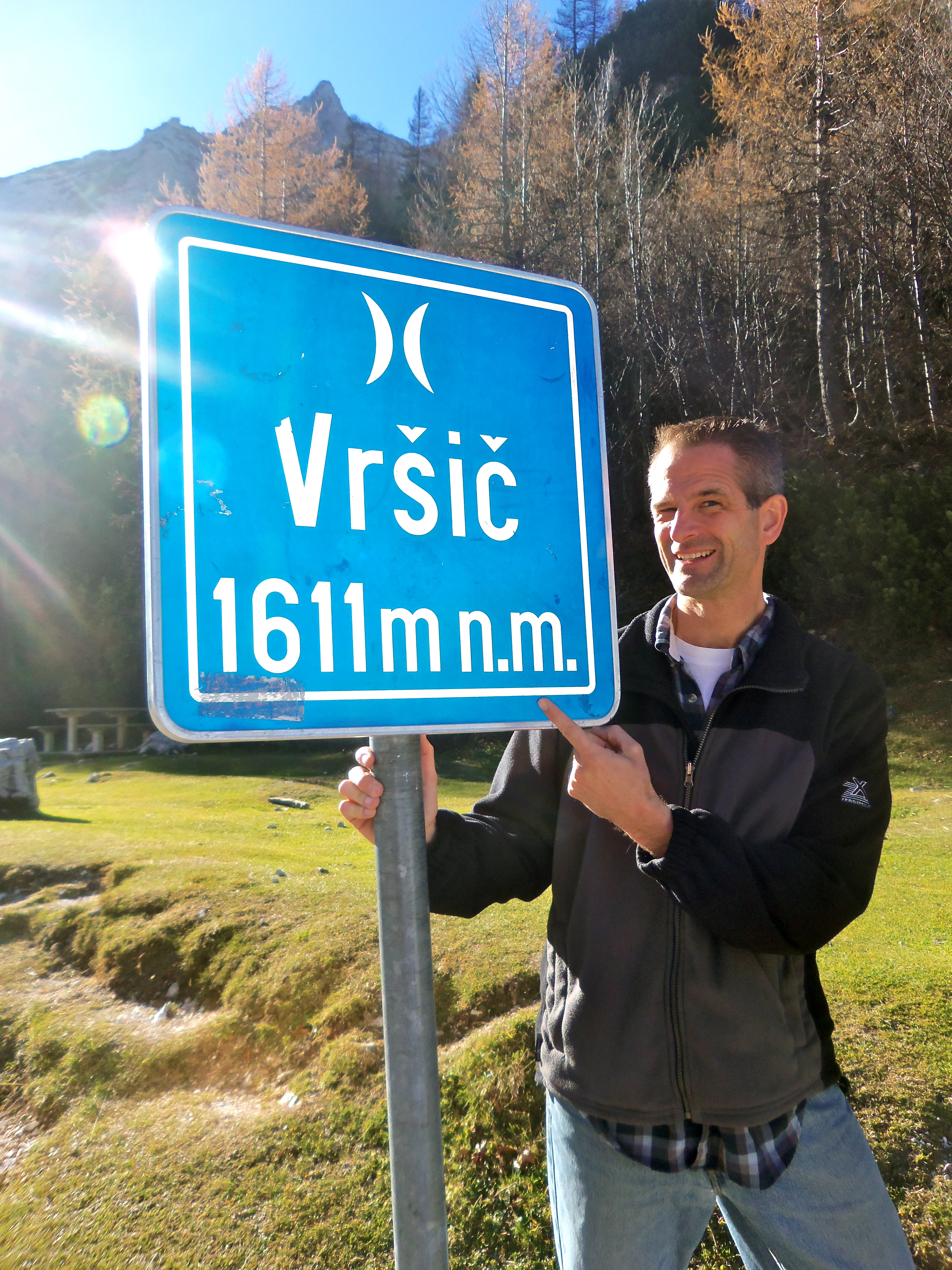
There were 48 hair pin turns to go through the Vrsic Pass.  Scary, but the scenery was amazing!

It was a glorious day!

It was a glorious day!

Perfect picnic spot, all to ourselves...ok, it was in October:)

Perfect picnic spot, all to ourselves…ok, it was in October:)

After you reach the summit of Vrsic Pass, you descend into the Soca Valley. The Soca River is a beautiful turquoise blue. I was surprised to learn that this area was the location of brutal fighting between the Austrians and Italians during World War  I.  Besides loss of life in battle, at least 60,000 soldiers died in avalanches.

I was so glad Andy did the driving!

I was so glad Andy did the driving!

Did you know that Hemingway’s A Farewell to Arms begins in the Alps around the frontier between Italy and present-day Slovenia? At that time Italy was allied with Britain, France and Russia against Germany and the Austro-Hungarian empire. The novel’s main character is Lieutenant Frederic Henry, an American who volunteered for the Italian army because the United States hadn’t yet entered the war.

The Battle of Caporetto  took place from late October to mid November of 1917, near the town of  Kobarid.  The battle was named after the Italian name of the town of Kobarid.

The town of Kobarid, the setting for Hemingway's Farewell to Arms.

The town of Kobarid, the setting for Hemingway’s Farewell to Arms.

The Postojna Cave system is the longest cave system in Slovenia (network of 20 kilometers).  Postojna Cave is the longest publicly-accessible depth of any cave system in the world. Its Grand Hall often serves as a concert venue for up to 10,000 people! The caverns and stalactite formations were astounding!

The entrance to the cave.

The entrance to the cave.

We took a little mining train deep into the cave,  and then hiked through the 5 kilometer-long trail.

Nate's favorite part of the day:)

Nate’s favorite part of the day:)

It is about 12 miles long!

It is about 12 miles long!

It was first discovered in the 17th century, and became a tourist attraction in 1819.

It was first discovered in the 17th century, and became a tourist attraction in 1819.

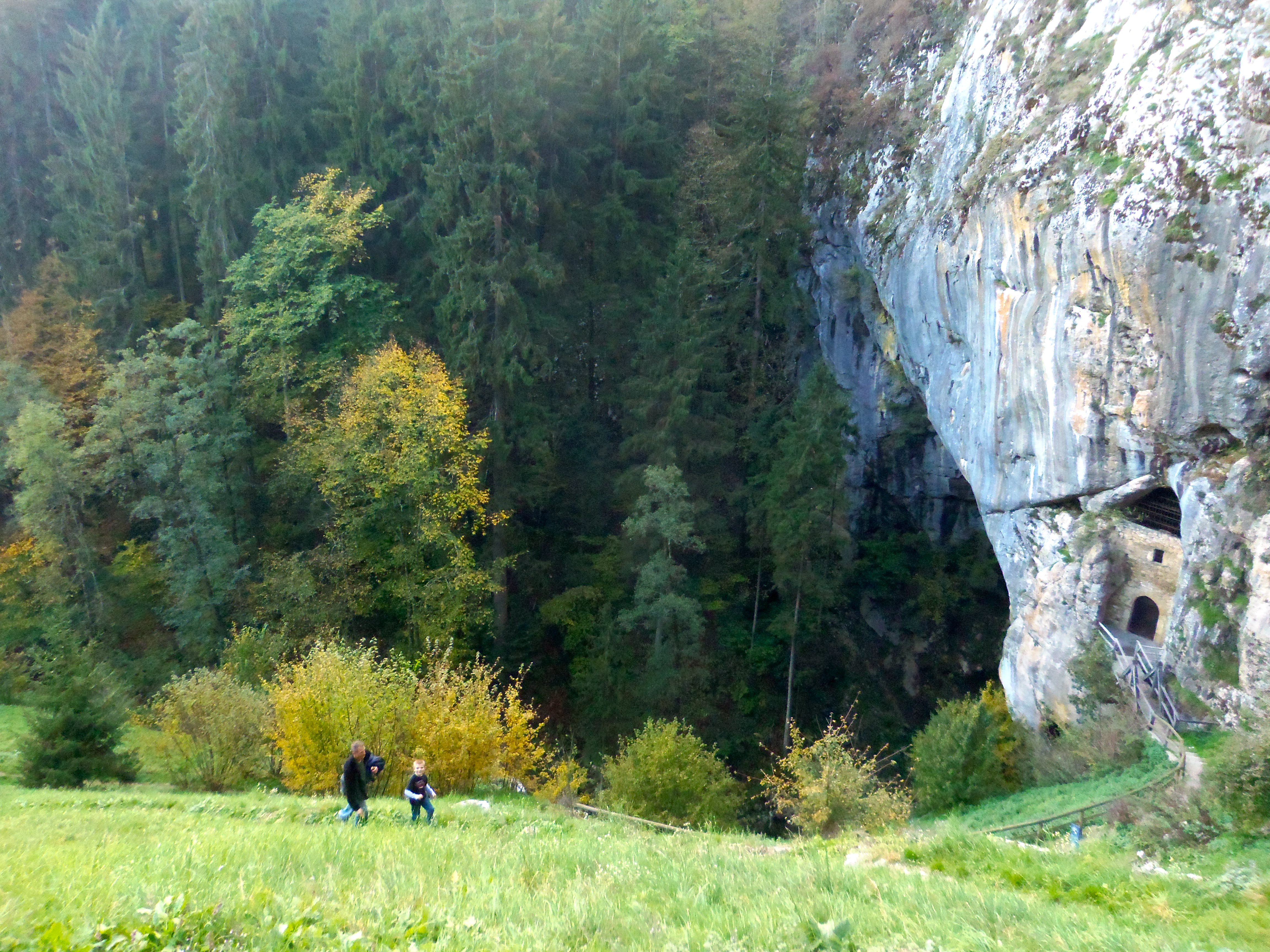
Predjama Castle was built in the middle of a vertical 123-metre high cliff  more than 700 years ago.

It's a very "Lord of the Rings-ish" sort of place!

It’s a very “Lord of the Rings-ish” sort of place!

The  most famous of all of the castle inhabitants was the knight Erazem of Predjama, who rebelled against the Holy Roman Emperor in the 15th century. He retreated to Predjama Castle, which was besieged by the emperor.

We were the last visitors of the day.

We were the last visitors of the day.

The legend says that Erazem was able to withstand the siege because he had access to the outside world through underground caves beneath the castle.  However, he met a sad fate:  he was betrayed by a servant and was unceremoniously killed by a cannonball while sitting on the toilet!

Not far from the famed toilet with a view!

Not far from the famed toilet with a view!

The boys went exploring!

The boys went exploring!

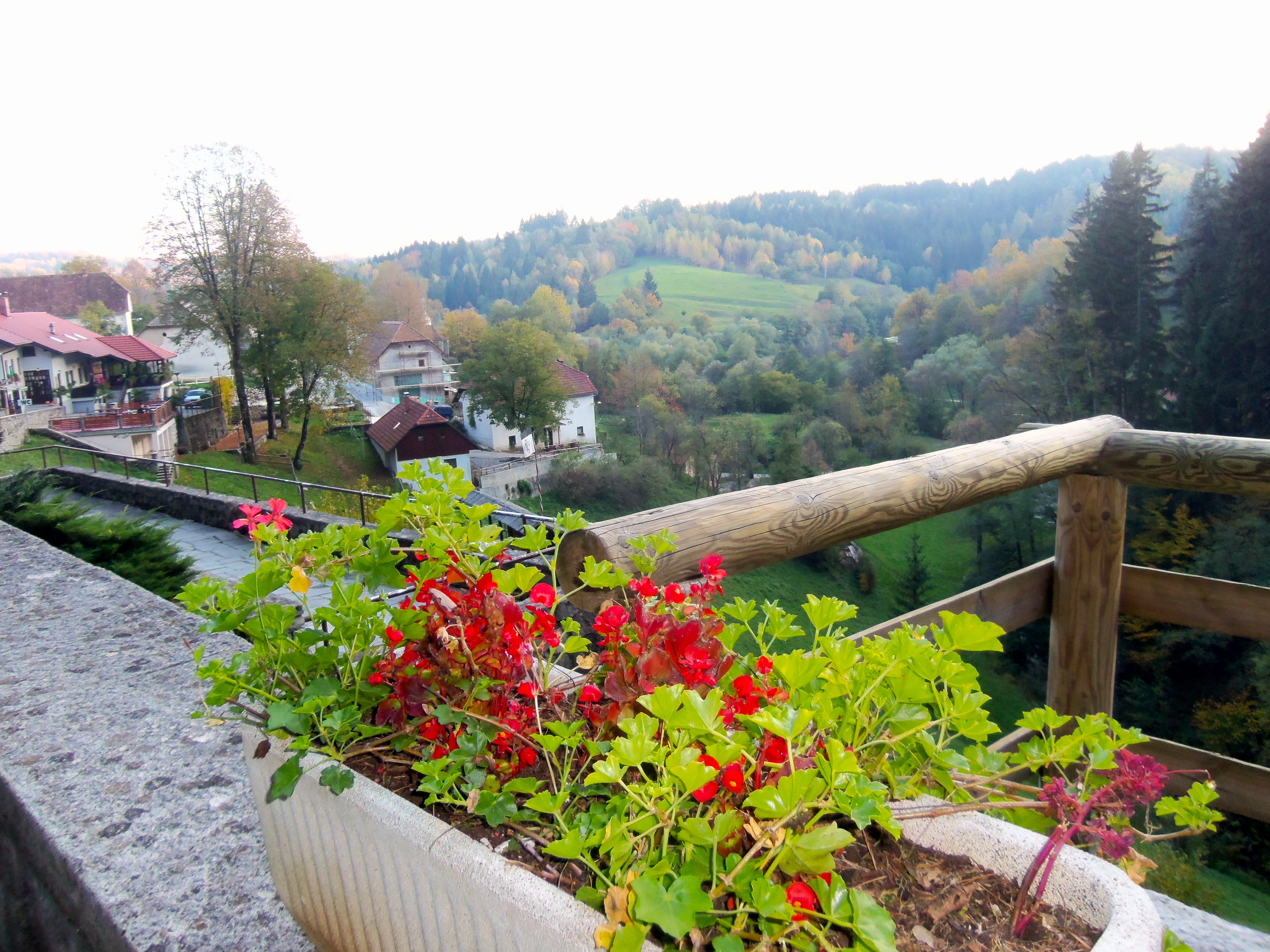
The view to the village.

The view to the village.

So, do not delay…plan your trip to Slovenia. Experience it for yourself first hand!  We are looking forward to going back next year. Any recommendations for other places to see from those who have been there?

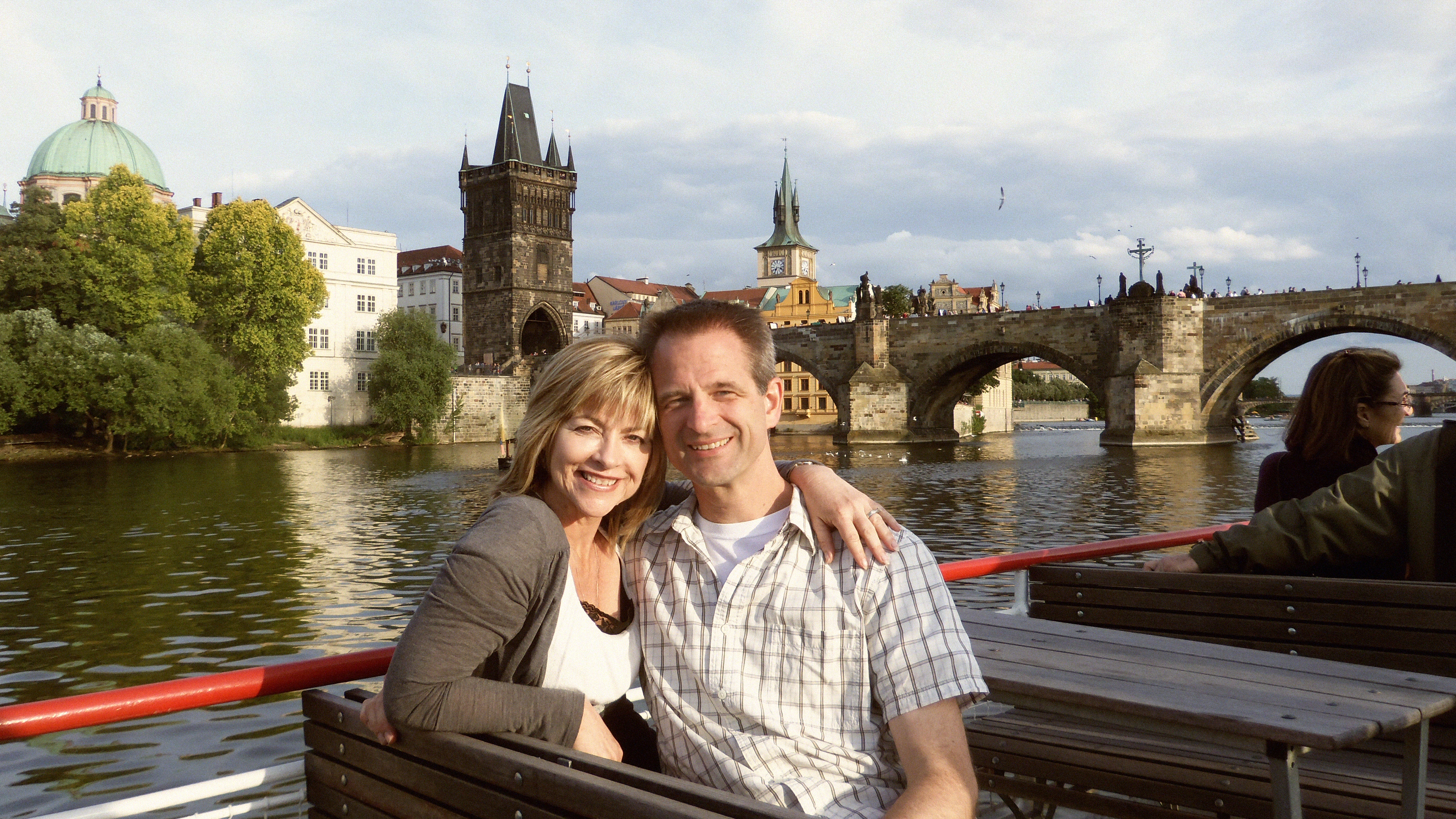
SAMSUNG DIGITAL CAMERA My husband, son and I moved to Prague in July 2011. During the time leading up to the move, Andy and I would look at each other and say, “We are moving to Prague!!”  What a crazy, fun adventure!  Now, 18 months later, we still look at each other and say, “We live in Prague!” I still feel wonder when I see the Vltava River and all the lovely buildings.  I still feel like I am perpetually on holiday:)

This was taken on a dinner cruise we did with the Zidek family in June 2012.

We really enjoy hosting people in our flat. We have hosted new teachers, missionaries, college students, couples,and families who come from a variety of countries such as the U.S., Hungary, France, Spain, Italy, the U.K., and Argentina.  We have many more guests scheduled for the upcoming year.  So this post will be the first of a series, especially for our future guests…our top pics of what to see in Prague, along with some insider tips for transportation, food and entertainment.

1. Prague Castle and Gardens.

The best way to get to Prague Castle is to start at the Castle Gardens.  You can walk there from the Hradcanska Metro/Tram stop, or take tram #22 to Kralovsky Letohradek for the gardens, or to Prasky Hrad to go straight to the castle.  If you go this way, you will walk straight in…..instead of walking up a million steps coming from the other side.  Note: the gardens are closed in the winter.

Check this link for the many ways to get to Prague Castle:

http://www.hrad.cz/en/prague-castle/prague-castle-tourist-information/how-to-get-to-prague-castle.shtml

The gardens are the perfect place for a picnic.

Summer Palace in the fall:)

You will end up at the gates of Prague Castle.  Be sure to see the changing of the guard, on the hour, every hour until 8pm in the summer or 6pm in the winter.  The short tour, which includes Golden Lane, is sufficient in my opinion.

Here’s the link to Prague Castle’s website:

http://www.hrad.cz/en/prazsky_hrad/navsteva_hradu.shtml

Nikolas and Grandma being goofy!

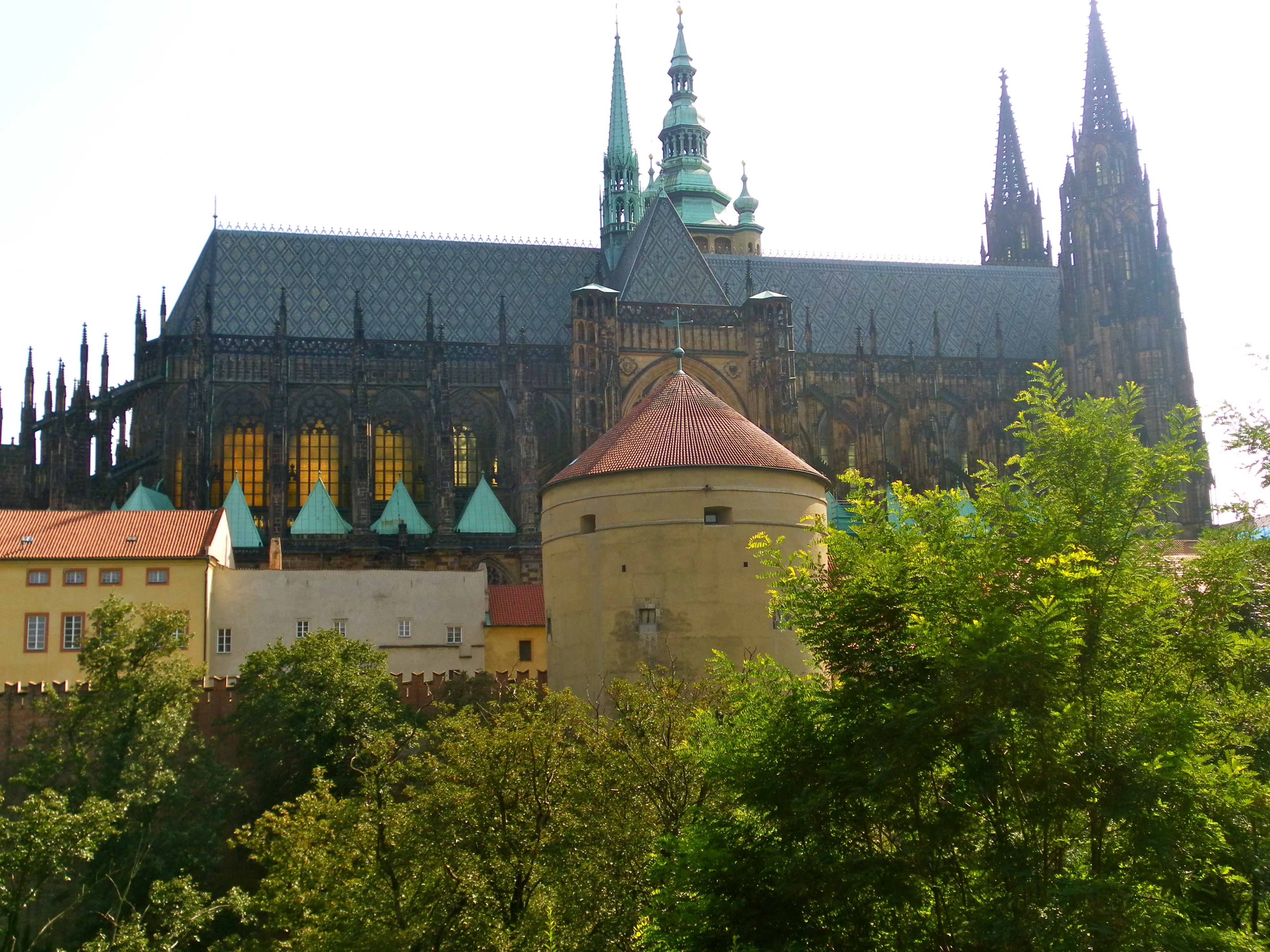
St. Vitus Cathedral is stunning!  The entry fee is worth it.  Don’t forget to come back here at night and enjoy Prague Castle by night.

DSC01417

The outside of St. Vitus Cathedral.

P1100763

Inside the cathedral

P1100758

Construction was begun in 1344!

Climb the tower to get this pic!

Climb the tower to get this pic!

P1100328

The view from the castle walls.

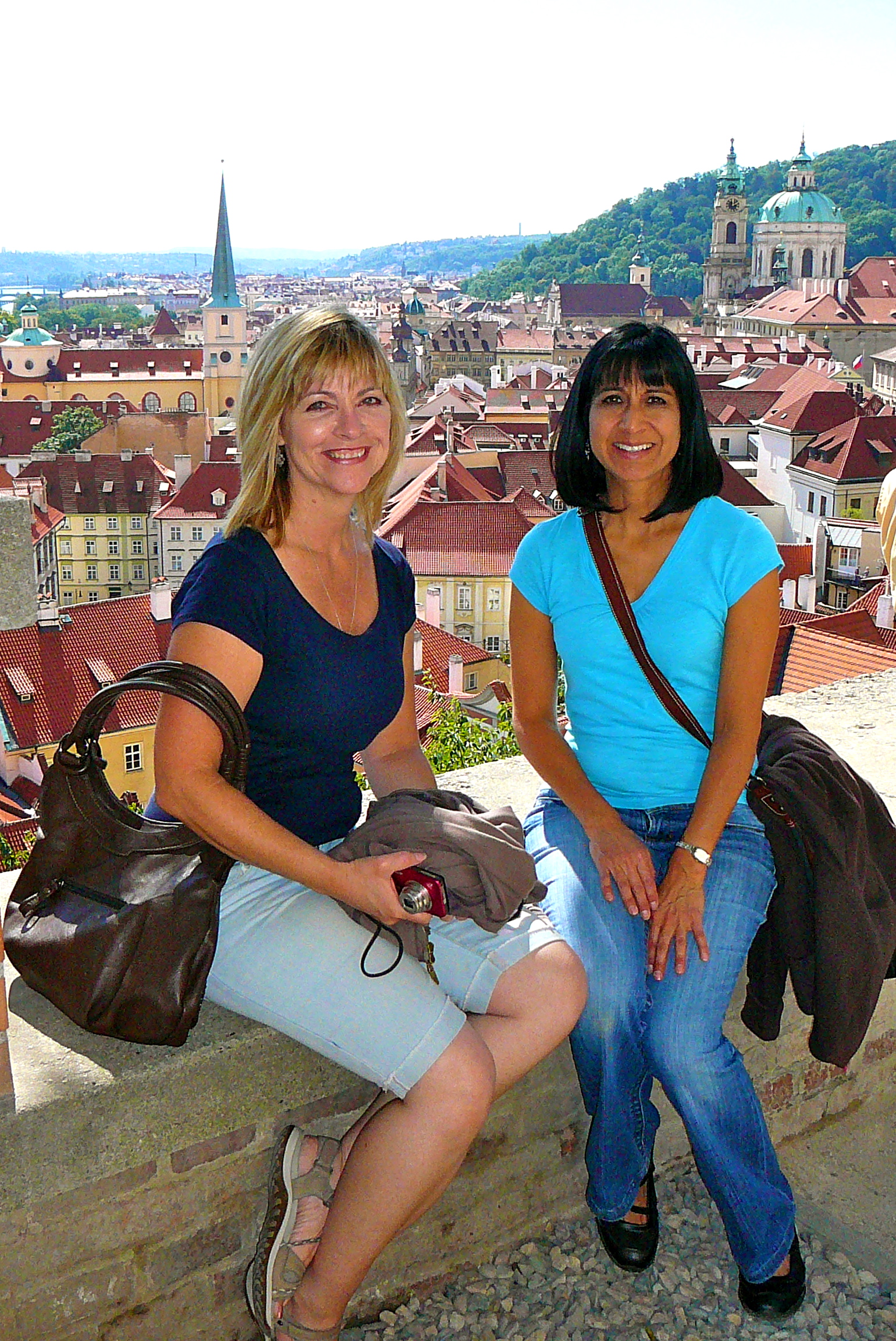
Elsa and me!

Elsa and me!

Once you have taken your dozens of photos at the castle walls, walk down the hill to Malostranska.  Go right at the bottom.  Walk through the small gate on the left of the metro station to stroll through the Wallenstein Gardens (spring and summer only). Exit out the gate on the left to Malostranska Namesti.

Prague Senate Building

Prague Senate Building

Alternatively, take a tram to….

2. St. Nicholas Church in Mala Strana

Tram stop: Malostranske Namesti

P1100356

Mozart played the organs here in 1787!

P1100350

Construction began in 1703.

This is a beautiful location for a classical concert!

This is a beautiful location for a classical concert.

Check this link for classical music concert information: http://www.stnicholas.cz/en/concerts/

Are you hungry yet?  Try Malostranska Beseda Restaurace, just across the street from the Malostranska Namesti tram stop.  Or try the kebab shop to the right of it.  Prices are reasonable!

http://www.malostranska-beseda.cz/en/restaurant/menu/menu.html

After a good meal, you walk it off on a walk across Charles Bridge…just around the corner!  For a future post…

Thanks to Elsa and the Zidek family for some of the above photos 🙂

Tell us about your favorite places in Prague!

DSC00718

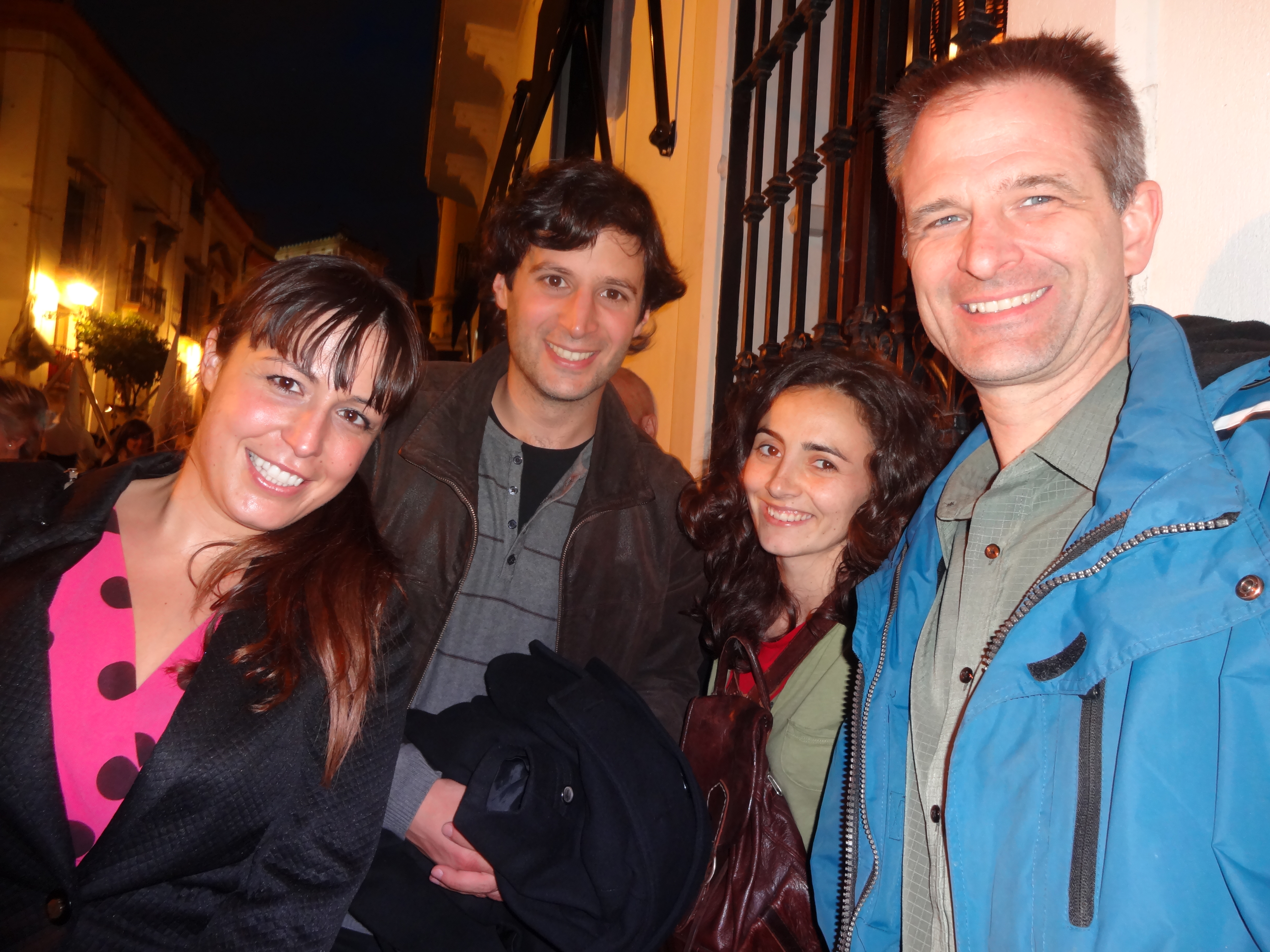
The best part of traveling is not the sights you see, but the people you meet.  We were blessed to have Sevillan friends who introduced us to their beautiful city and showed us how they celebrate Semana Santa with its traditions that date back to the 16th century.

The festivities start on Palm Sunday and conclude on Easter morning. More than 50,000 people wear traditional robes to parade in one of the 50+ processions, which celebrate the passion, death and resurrection of Christ.

The processions are organized by Catholic brotherhoods (confradias).

Each procession has a designated route. Each procession has two or three pasos (floats), one or two of them representing a scene of the Passion, and the other one an image of the Virgin Mary.

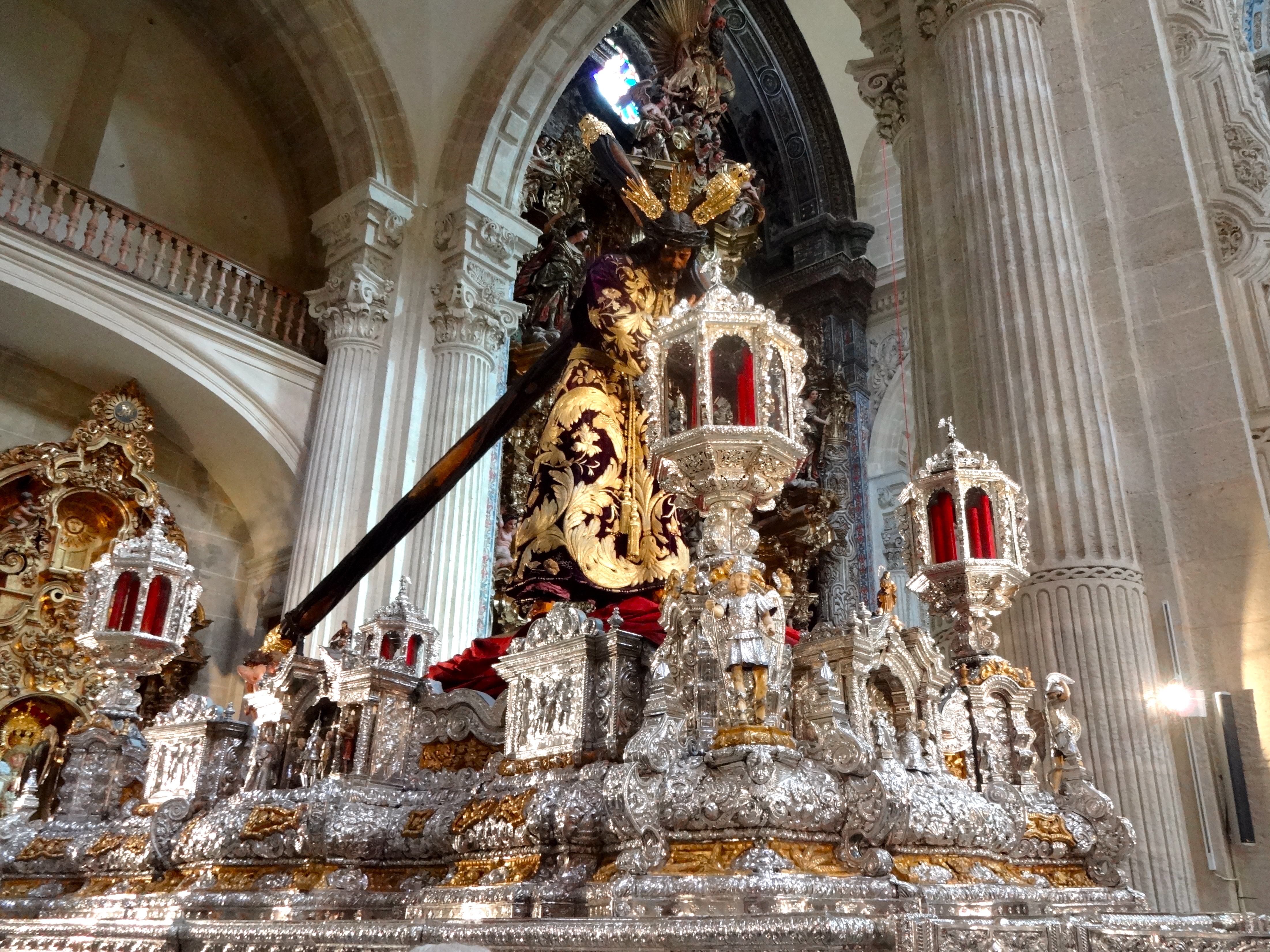
One of our friends took us to Iglesia Colegial San Salvador to see some of the pasos that are part of the processions.

Note: this is NOT the main cathedral of Seville!

The image of Jesus is by Juan Martinez Montanes in 1615.

DSC00441

Jesus’ entry into Jerusalem on Palm Sunday.

Watch this paso on youtube:

Watch for this paso later…

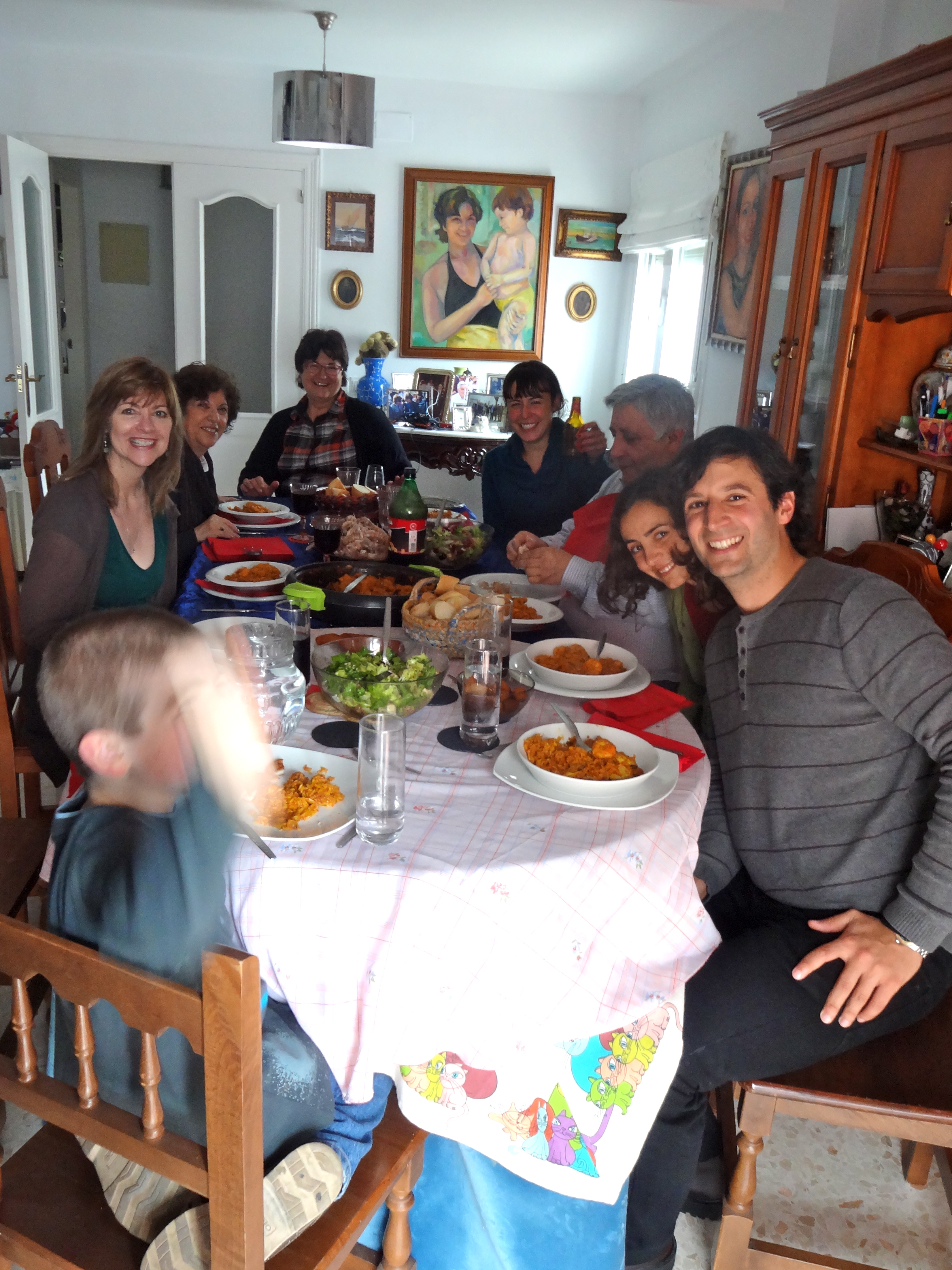
Our friends invited us to a special family lunch on Thursday of Semana Santa.  The food was delicious!

DSC00846

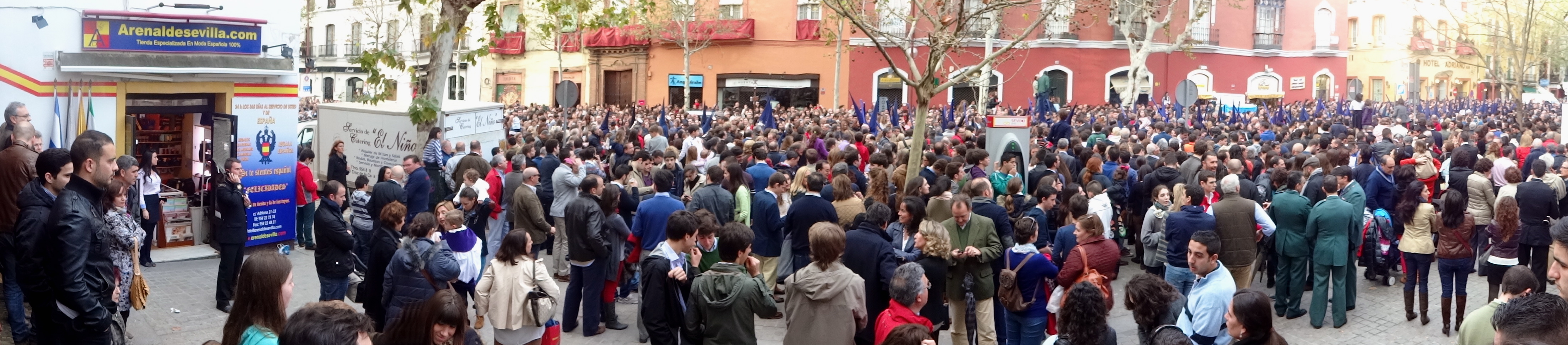
Our friends took us to watch the processions.  We found lots of people lining the street, hours before the procession was to start.  It was a social, family event!

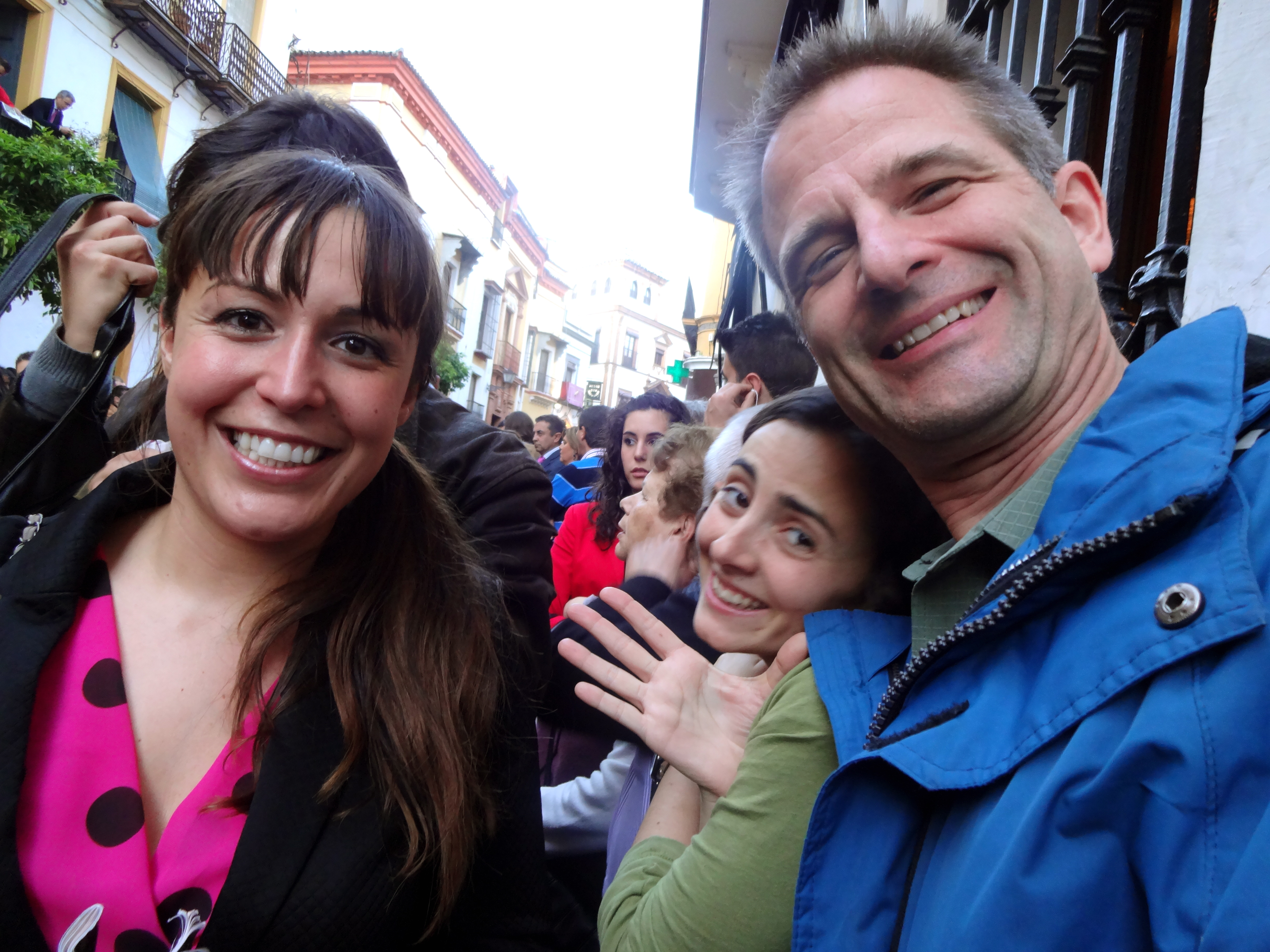
Waiting for the procession with our friends!

Waiting for the procession with our friends!

Waiting for the procession.

Holy Wednesday.

Watching from balconies...premium locations!

Watching from balconies…premium locations!

Each procession has an order to it:

A great cross (called Cruz del Guia) is carried at the beginning of each procession to open the way. A musical band follows or precedes the paso.

The music is beautiful!!!

The music is beautiful!!!

Listen to the music here:

http://www.marchasdeprocesion.com/index.php?option=com_content&task=view&id=513&Itemid=1

DSC00738

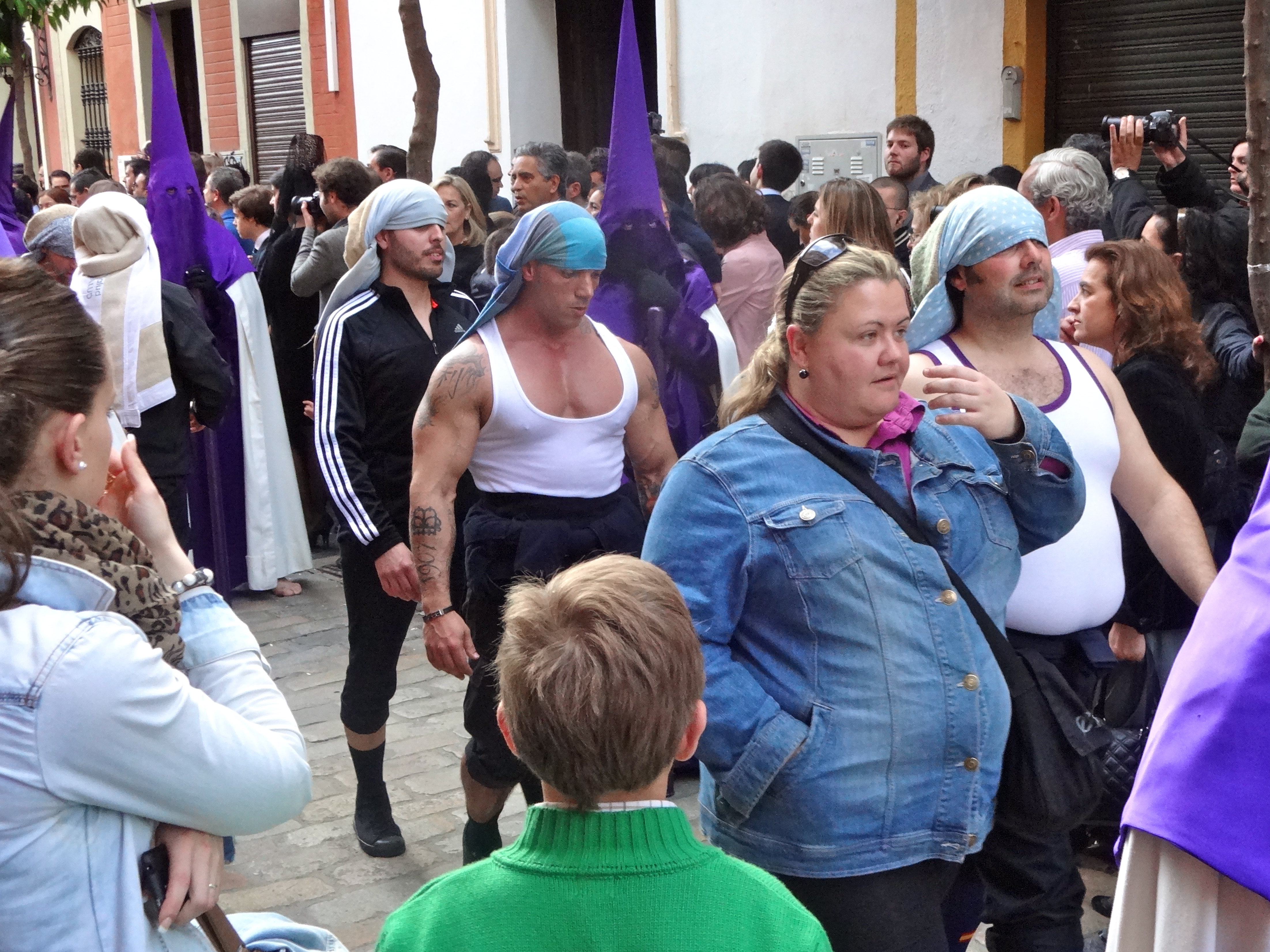
Then come the nazarenos who are members of the brotherhood. Nazarenos are dressed in a robe, with a tall pointed hat to hide their identity.

The Nazarenos.

Nazarenos de la Exaltación(Los Caballos)

A group of altar boys, dressed like priests and carrying either chandeliers or incense follow the Nazarenos.

DSC00713

Next comes the paso.  You have to be there to feel the emotion in the crowd. The crowd is reverent, expectant. There is a hush that comes over the crowd as the paso goes by.

The paso.

The paso: “Sagrada Columna y Azotes”.

A number of penitents follow the paso. They carry wooden crosses to make public penance. The penitents wear the habit and the hood of the brotherhood, but their hood is not pointed.

The penitents.

The penitents.

The costaleros are the most important members of the processions.They carry the paso by supporting the beams upon their shoulders and necks.  Each one supports a weight of about 100 pounds for up to 8 hours!  There are about 40 costaleros per paso.  The pasos weigh about 4000 pounds. The costaleros also lift, move and lower the paso, unseen beneath the velvet skirts of the paso. The costaleros consider it a great honor to carry the paso.

The costaleros.

The costaleros.

Costaleros watching the procession, taking a much deserved break.

Costaleros watching the procession, taking a much-deserved break.

Our friends took us around the city to watch other processions.  It was a huge blessing to be with locals who knew where to go and how to squeeze through the crowds to find the right place to wait for the procession!

DSC00915

DSC00913

Cute kid watching the processions!

Cute kid watching the processions!

The night time processions were stunning, with the candlelit pasos. The atmosphere was…well, you need to experience it first hand to understand!

DSC00748

DSC00764

DSC00917

If you would like to learn more about Semana Santa and the Cofradias, try the sites below.  They were helpful as I did research for this post. Thanks also to Ana C. for her help!

http://www.seville-traveller.com/semana-santa-sevilla.html

http://en.wikipedia.org/wiki/Semana_Santa

A big thank you to our friends from Sevilla!  We will always remember our wonderful week in your beautiful city!!